
DEXA
A DEXA scan, or Dual-Energy X-ray Absorptiometry, is a quick, safe, and painless imaging test used to measure bone mineral density (BMD). It is considered the gold standard for diagnosing osteoporosis, assessing fracture risk, and monitoring bone health over time. This scan uses low-dose X-rays to detect changes in bone strength that may not be visible on regular X-rays, making it highly valuable in preventive health care, especially for older adults and postmenopausal women.
The most common areas assessed during a DEXA scan include the lumbar spine, hip (femur), and sometimes the forearm. In some cases, a whole-body DEXA scan may be performed to evaluate overall bone density and body composition, including fat and lean muscle mass. DEXA is especially recommended for individuals with a family history of osteoporosis, history of fractures, long-term steroid use, vitamin D deficiency, thyroid disorders, or postmenopausal women at risk for bone loss.
The scan is extremely fast — usually completed within 10 to 15 minutes — and requires no injections or contrast. Patients are advised to avoid taking calcium supplements 24 hours prior to the scan and should wear loose-fitting clothing without metal zippers or buttons. One of the key benefits of a DEXA scan is its ability to track bone density changes over time, helping doctors to evaluate the effectiveness of treatment or lifestyle changes aimed at strengthening bones.
DEXA scan results are expressed as T-scores and Z-scores, which compare the patient’s bone density to healthy reference populations. A lower T-score indicates greater risk of fracture or osteoporosis, allowing early intervention through medication, nutrition, or exercise.
Overall, DEXA scanning is a vital tool in the early detection and management of bone loss and plays an essential role in reducing the risk of serious complications such as hip or spine fractures, especially in aging populations.
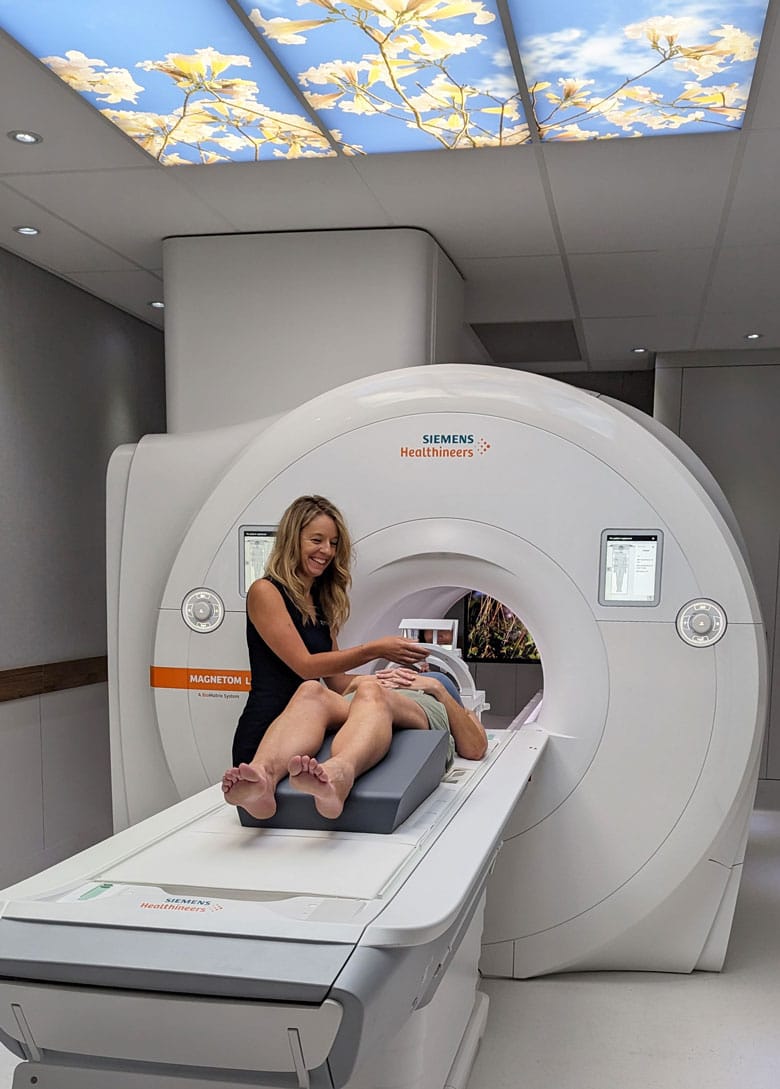
Measure the bone density by diagnosing osteoporosis
Coronary angiography and cardiac MRI for heart
This test uses the contrast x-rays for the heart